Reasons for Performing Inspections
📌 Whether performed for compliance, preventative maintenance, or insurance purposes, routine inspections deliver substantial benefits that help protect people, assets, and operations.
Inspections are completed for a variety of reasons including:
- Compliance
- Preventative Maintenance
- Insurance Coverage
Compliance
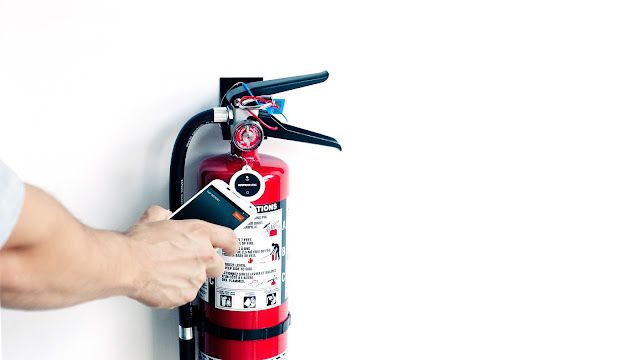
Inspections are performed because their completion is mandated under certain legislation, codes and bylaws. For example, the Ontario Fire Code mandates that fire extinguishers must be inspected every 30 days. Ontario’s Occupational Health and Safety Act states that inspections of electrical rooms, first aid kits, eyewash stations etc., must be conducted regularly to prevent the development of unsafe working conditions. Legislation also identifies the types of deficiencies and conditions to look for during these inspections as well as how quickly these deficiencies need to be resolved.
So what if you’re not compliant, what’s the worst that can happen?
- Unsafe working conditions
- Worker injury or death
- Property damage and asset depreciation
- Tarnished reputation
All of these have a costly price tag associated with it. On top of this there’s also non-compliance orders and fines by AHJs.
Non-compliance Orders
Non-compliance orders are costly because they essentially stop work.. This causes disruptions to scheduling, wasted labour costs, and additional costs to rectify the conditions of the order.
Fines
When an incident occurs and the outcome of the investigation determines that a company was not compliant with the mandated laws and regulations, they can be found liable and fined.
Lack of machine guarding is a common incident where companies are found liable because it usually results in someone losing their limbs which is easily preventable.
Preventative maintenance
Preventative maintenance is a proactive work schedule program whereby equipment is regularly inspected for deficiencies, as well as wear and tear, to prevent equipment failure and injury. Preventative maintenance programs include routine inspection and equipment servicing much like you would do with your own vehicle. It also involves keeping records of these inspections and servicing, as well as planned replacement of parts, and identification of hazards. Preventative maintenance provides several benefits such as:
- Reduces worker injury
- Avoidance of work delays and lost time due to equipment failure
- Improves equipment performance, reliability, and efficiency
- Reduces costs associated with equipment rental or unplanned replacement of equipment
Insurance Coverage
Let’s say an incident occurs at your workplace, a flood for example, that resulted from a leaking fire hose cabinet and caused thousands of dollars worth of damage. Questions the insurance company is going to ask you are: “Was this deficiency known?”, “How often was this fire hose cabinet inspected?”, “When was the last time this fire hose cabinet was inspected and by who?”, “Where are your inspection records?”.
If you are unable to answer these questions or provide evidence that you took reasonable measures to prevent such an incident, the insurance company may leave you with the bill or at least a portion of it.
Inspections are an important way to show your due diligence and ensure that you are covered by insurance in the event of an incident.
Routine inspections are essential for ensuring compliance with applicable regulations, supporting preventative maintenance by identifying issues before they become costly problems, and maintaining insurance coverage in the event of an incident.
Regardless of the reason for performing inspections, we know that routine inspections offer a multitude of benefits, including improved safety, risk reduction, and longevity to both one’s assets and brand.
About Tap Report
Tap Report is a Canadian software company that provides a digital solution for managing workplace inspections, safety compliance, and operational reporting. It replaces manual processes, such as paper checklists and spreadsheets, with a mobile and web-based system that allows teams to complete inspections, capture data, and generate compliant reports.
Through an easy-to-use interface and automated workflows, Tap Report helps ensure that inspections are completed, deficiencies are categorized and tracked, and issues are escalated efficiently to the right people. It also offers analytics, customizable reporting, and integrations that helps organizations improve safety, compliance, and operational performance.
For more information, visit www.tapreport.io or contact us at customerservice@tapreport.io.
More articles
Inspections